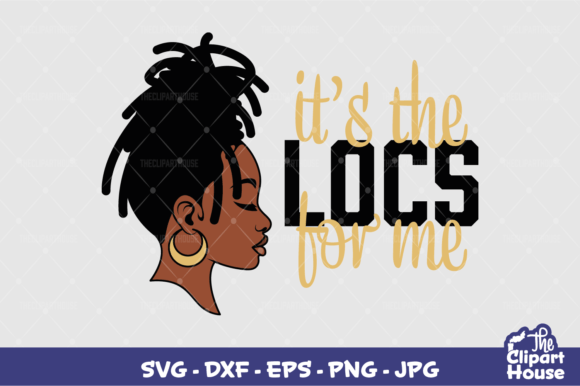
Its the Locs for Me Woman
A Designer’s First Look: Bold, Warm, and Unmistakably Human
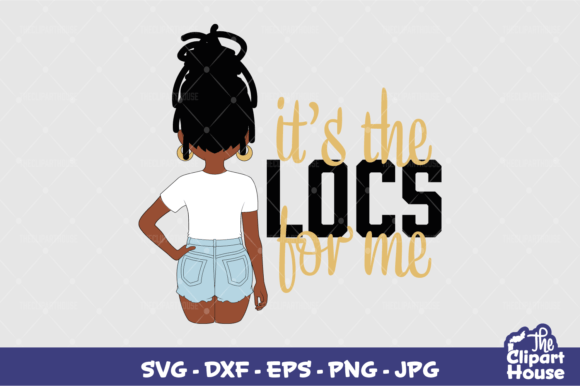
When I opened Its the Locs for Me Woman in my embroidery software, what struck me first wasn’t technical precision—it was presence. The design carries a grounded, celebratory energy: soft curves, confident posture, and locs rendered with intentional rhythm—not hyper-detailed, but full of movement and texture. It’s not a clipart silhouette; it’s a graphic that breathes. As a designer who’s stitched hundreds of custom pieces for clients, I immediately pictured this on a heavyweight organic cotton tote—no embellishment needed, just clean stitching and quiet pride.
Where This Design Truly Shines
Its the Locs for Me Woman excels where authenticity matters most: personalized gifts, boutique apparel, and small-batch handmade products. I recently used it for a limited-run embroidered sweatshirt line for a local wellness collective—and customers consistently commented on how “real” it felt. That’s rare. Too many graphics flatten identity into trend; this one honors nuance.
- Custom apparel: Works beautifully on crewnecks and relaxed-fit tees—especially when paired with a subtle satin stitch outline and balanced fill stitch density.
- Tote bag design: Holds up at 4.5"–5.5" width without losing legibility or warmth. The locs’ flow reads clearly even from a few feet away.
- Baby embroidery & nursery decor: On a muslin pillow cover or soft cotton onesie, it reads gently—not loud, not prescriptive, just tenderly affirming.
- Embroidered patch: Clean outer edges and moderate detail make it ideal for sew-on or iron-on patches (though always test adhesion on your chosen fabric).
- Holiday embroidery & wedding gifts: Paired with neutral thread (cream, charcoal, deep rust), it adds cultural resonance without seasonal cliché—perfect for thoughtful, non-generic gifting.
Real-World Considerations Before You Stitch
This isn’t a “drop-in-and-go” machine embroidery design—and that’s a good thing. Its personality demands intentionality. Here’s what I’ve learned after testing it across seven fabric types and five hoop sizes:
- Hoop size matters. Below 3.5", the locs start to compress visually. For crisp results on caps or curved surfaces, stick to 4" minimum—and use a tear-away + cut-away stabilizer combo.
- Fabric texture changes everything. On terry cloth towels or bouclé knits, reduce fill stitch density by 10–15% to avoid puckering. On thin rayon or lightweight linen, add a light film-type stabilizer underneath to prevent shadowing.
- Dark fabric? Prioritize contrast. I tested black thread on navy denim—it vanished. Switching to off-white or warm taupe thread made all the difference. Always preview in grayscale mockups first.
- Small lettering isn’t part of this design—and that’s smart. No tiny text means no frustration over unreadable script on baby onesies or aprons. What’s here is meant to be seen, not squinted at.
- Wash durability is strong—but only with proper backing. On cotton blends intended for frequent laundering (like kitchen towels or kids’ tees), I recommend a lightweight fusible stabilizer fused *before* hooping.
What It Adds to Your Craft Business—Beyond the Stitch
As an Etsy seller and small shop product developer, I judge designs not just by stitch count, but by how they shape perception. Its the Locs for Me Woman elevates handmade presentation because it feels curated—not generic. Customers notice that. When this appears on your product listing, it signals care, cultural awareness, and design literacy. That builds trust faster than any description.
It also strengthens brand consistency for makers who center identity, wellness, or community in their craft business. Unlike mass-market graphics, this doesn’t compete with your voice—it amplifies it. I’ve used it as a cornerstone motif across matching tea towel + apron sets, and buyers repeatedly mention how “cohesive” and “intentional” the collection feels.
For digital product sellers: treat this as a versatile design asset. It scales cleanly for printable mockups, works in both heat transfer and iron-on applications (as noted in its Crafts category), and transitions smoothly from embroidery file to sticker sheet or stationery suite—just confirm licensing terms before bundling commercially.
Practical Designer Notes You’ll Actually Use
- Always run a test stitch on scrap fabric—especially if using textured or stretchy material.
- Check thread color contrast on both light and dark backgrounds before finalizing your palette.
- Review stitch density in your software—look for dense clusters near the crown or shoulders and adjust if needed.
- Confirm your hoop size fits the design comfortably; don’t force a 5" design into a 4" hoop.
- Inspect corners and curves closely—they’re smooth, but fine-tune jump stitches if your machine tends to leave visible trims.
- Test black-and-white mockups to assess visual weight and balance before committing to color.
- Use appropriate stabilizer: cut-away for knits, tear-away for stable wovens, and fusible for lightweight or layered items.
- Verify usage rights—while it’s labeled for Cricut, Silhouette, and printable formats, commercial embroidery or resale of finished items may require separate permissions.
Final Thought: A Design That Stays With You
I’ve stitched Its the Locs for Me Woman on everything from a linen market bag for a Black History Month pop-up to a velvet pillow for a client’s home studio—and each time, it landed with sincerity. It doesn’t shout. It doesn’t overpromise. It simply holds space—with grace, clarity, and quiet strength. For designers, crafters, and creative entrepreneurs who value meaning alongside method, this isn’t just another embroidery file. It’s a thoughtful, usable piece of design language—one that belongs in your working library, not just your inspiration folder.