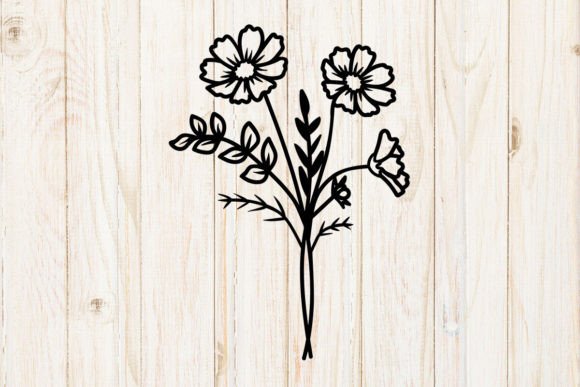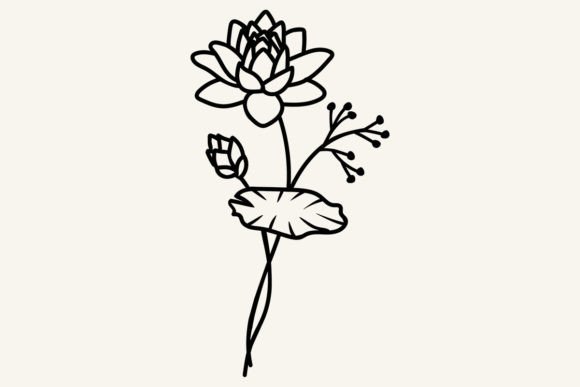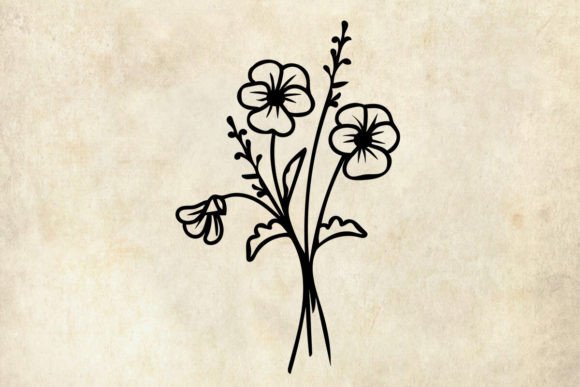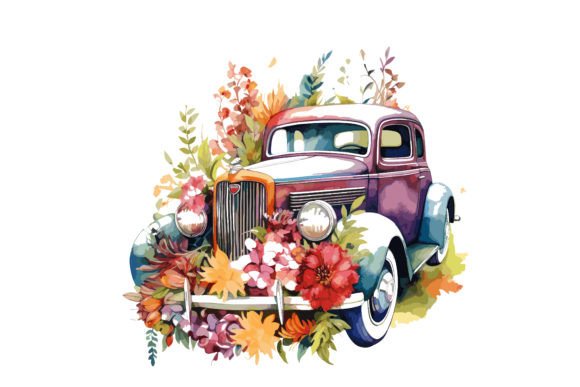
Birth Flower Poppy Graphics for Crafts
As someone who’s launched over 200 digital product listings across Etsy, Creative Market, and Shopify—and scaled three print-on-demand shops—I opened Birth Flower Poppy expecting a clean, commercially viable asset. What I found wasn’t just another floral clipart file: it’s a mood-driven, versatile graphic design asset with strong niche alignment and real production flexibility.
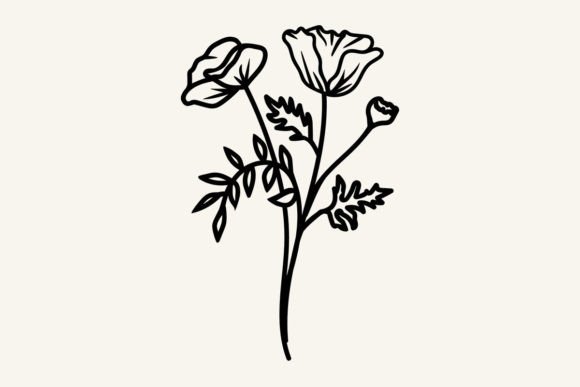
The first impression? Calm but intentional. This isn’t a hyper-saturated, trendy poppy—it leans into soft botanical realism with subtle texture, gentle gradients, and a hand-drawn quality that reads as handmade item without sacrificing polish. It feels quietly elegant—feminine but not saccharine, decorative but not fussy. That balance makes it ideal for August-themed collections targeting gift buyers, new parents (nursery prints), wedding stationers, and mindful small business branding.
I tested Birth Flower Poppy across six real product categories before finalizing my Etsy listing:
- SVG designs for Cricut users: The vector paths are clean, well-grouped, and cut cleanly on both vinyl and cardstock. No stray anchor points or overlapping strokes—critical for sticker sheets and iron-on transfers.
- PNG designs with transparent background: Crisp at 300 DPI, no fringing or semi-transparent edges. Scaled smoothly down to 2” for planner stickers and up to 16” for printable wall art.
- Sublimation designs: Works beautifully on mugs and tumblers when paired with a light neutral background. Avoids bleeding or pixelation in the petal details.
- Canva templates: Stands out in invitation suites and social media graphics—especially when layered behind serif typography or used as a corner accent in blog graphics.
- Digital download bundles: Paired seamlessly with August-themed digital paper packs, birth announcement kits, and seasonal greeting card sets.
- Print-on-demand merchandise: Tested on tote bags, notebook covers, and ceramic coasters—holds contrast well against both light and mid-tone substrates.
Where Birth Flower Poppy shines most is in visual storytelling and perceived value. On an Etsy thumbnail, its recognizable silhouette and soft color palette draw attention without shouting. In a mockup preview—say, a framed printable hanging above a minimalist desk—it communicates care, intention, and seasonal relevance. That builds customer trust faster than generic florals. It also supports brand consistency: whether you’re selling nursery prints or wedding stationery, this poppy anchors your collection in authenticity—not trend-chasing.
It performs strongest in larger-scale applications: wall decor previews, Canva template cover images, tumbler wrap mockups, and themed digital download bundles. Its organic shape and balanced negative space make it ideal for layouts where breathing room matters—think invitation suites, packaging design, or blog headers. It also adds quiet sophistication to social media graphics for creative entrepreneurs promoting handmade business launches or seasonal offers.
That said, use caution in these scenarios:
- Tiny sticker details: At under 0.75”, fine petal lines begin to blur—better suited for medium-to-large die-cut stickers than micro-labels.
- Crowded thumbnails: When placed alongside 4+ other elements in a marketplace grid, it can recede visually. Always test with your actual listing layout.
- Dark backgrounds without adjustment: The base version assumes light substrate. For dark mugs or navy stationery, I recommend creating a white-outline or reversed version—easy to do in Illustrator or Canva.
- Text-heavy templates: Its illustrative weight competes with dense copy. Use it as a focal point—not background filler—when pairing with body text.
- Low-resolution print products: Avoid using the base file for 72 DPI web banners or email headers; always export a purpose-built version.
Before publishing any product using Birth Flower Poppy, here’s my non-negotiable checklist:
- Preview the PNG on both white and charcoal mockups—verify transparency and contrast.
- Test SVG cut lines in Cricut Design Space or Silhouette Studio—confirm no hidden layers or compound paths.
- Print a physical sample at 100% scale on your target paper stock—check color fidelity and detail retention.
- Drop it into a Canva template at 3x size, then scale down—look for aliasing or blurring.
- Verify commercial license terms—this asset permits finished goods, but double-check usage limits for POD platforms like Printful or Redbubble.
- Organize files clearly for customers: label SVG/PNG variations by use case (e.g., “Birth Flower Poppy – SVG – Cricut Ready”, “PNG – 300 DPI – Transparent”)
- Pair it intentionally: it harmonizes with serif fonts for elegance, rounded sans serifs for modern craft appeal, and delicate script fonts for invitations—but clashes with bold display fonts unless used sparingly as a counterpoint.
What makes Birth Flower Poppy more than just clipart is how it bridges emotional resonance and practical utility. It taps into the growing demand for meaningful, month-specific design assets—without leaning into cliché. Buyers searching for “August Flower Poppy Digital Clip Art” aren’t just after decoration; they’re curating moments: baby announcements, milestone cards, classroom crafts, or self-care printables. This asset delivers that quiet narrative weight.
For sellers building a cohesive digital download shop—or expanding into printable wall art, sublimation-ready files, or Cricut project kits—it’s a reliable anchor. Not flashy, not overdesigned—just thoughtfully made. And in today’s crowded creative marketplace, that kind of consistency is what converts browsers into repeat buyers.